Key facts: West End
- The West End Historic District, recognized on the National Register, is known for its late nineteenth and early twentieth century homes [1].
- The City of Winston-Salem has reviewed garage door replacements on properties in the West End Historic Overlay District against its design standards [2].
- Automatic openers must include entrapment protection under federal rules [3].
- Garage door springs counterbalance the door's weight, whether on modern or older garages [4].
In this page
- 1West End ZIP code covered
- 2What West End homes and garages are like
- 3What technicians see in the West End
- 4West End historic overlay and garage door changes
- 5Carriage house figure
- 6Repairing carriage house doors
- 7Fitting modern doors to old openings
- 8Steep lots and sloping garage floors
- 9Garage bays in converted carriage houses
- 10Planning a garage door visit in the West End
- 11West End garage types and door notes
- 12Repairing West End doors
- 13Winter ice on West End drives
- 14Caring for wood garage doors
- 15Choosing an opener for an older garage
- 16Close neighbors and shared drives
- 17Garage notes across the West End
- 18What a typical West End garage door call looks like
- 19Automating swing-out carriage doors
- 20Matching hardware on historic doors
- 21Parking and access near downtown
- 22Garages at West End rentals and condos
- 23Garages set below the house or street
- 24Garages set above the house on the slope
- 25Old wiring in West End garages
- 26Planning ahead for a new door in the West End
- 27Choosing door materials for West End homes
- 28Why repair often makes sense on historic garages
- 29Seasonal care for West End garage doors
- 30Garages near Hanes Park
- 31Drainage problems at West End garage doors
- 32Security and garage doors near downtown
- 33A neighborhood shaped by early streetcars
- 34Doors for nonstandard West End openings
- 35Pollen and leaves on West End garages
- 36Preparing West End garages for storms
- 37Masonry garages in the West End
- 38Wildlife in old carriage houses
- 39Technicians, carpenters and the city
- 40Restoring original carriage doors
- 41Storm damage on historic garages
- 42An annual check for West End doors
- 43Shared garages in divided houses
- 44Children, steep drives and closing doors
- 45Keeping a consistent look on the street
- 46Noise and safety in living spaces above
- 47Planning a service visit in the West End
- 48Questions about garage doors in the West End
West End coverage
West End ZIP code covered
The technician network accepts calls from the West End's ZIP code. Coverage can change, so call to confirm.
- 27101: the West End and nearby downtown-edge streets.
West End homes and garages
What West End homes and garages are like
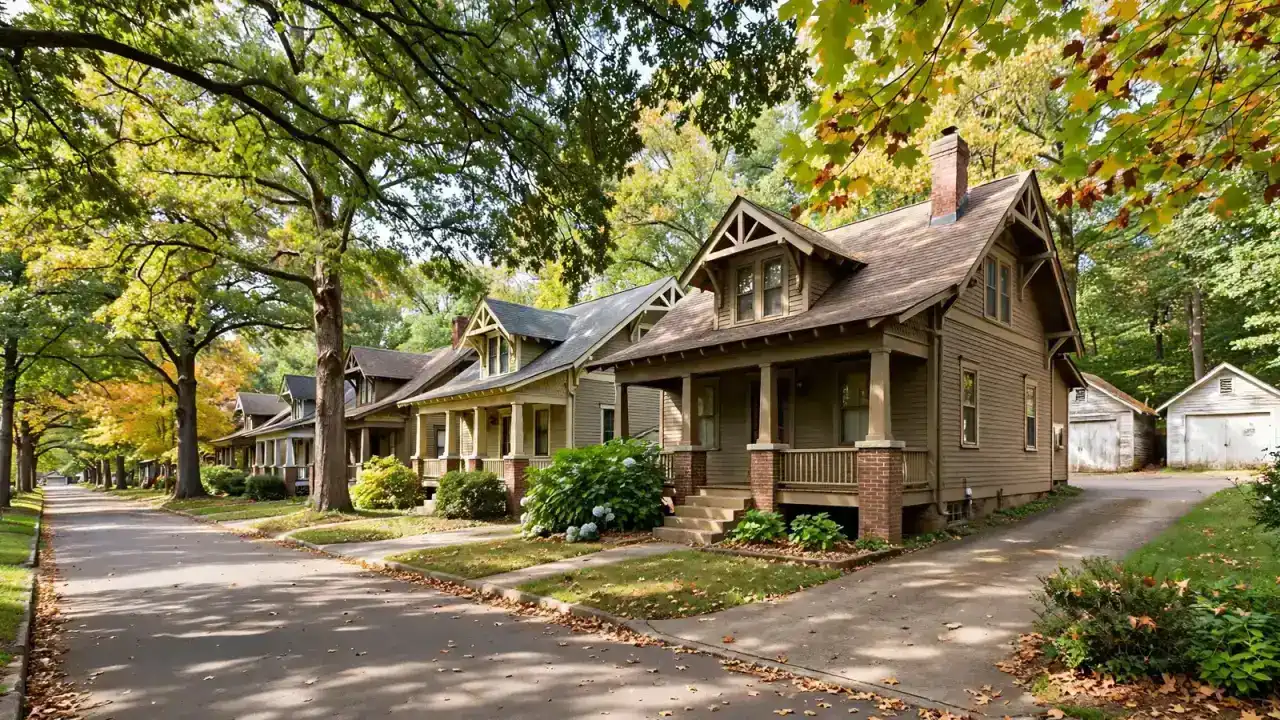
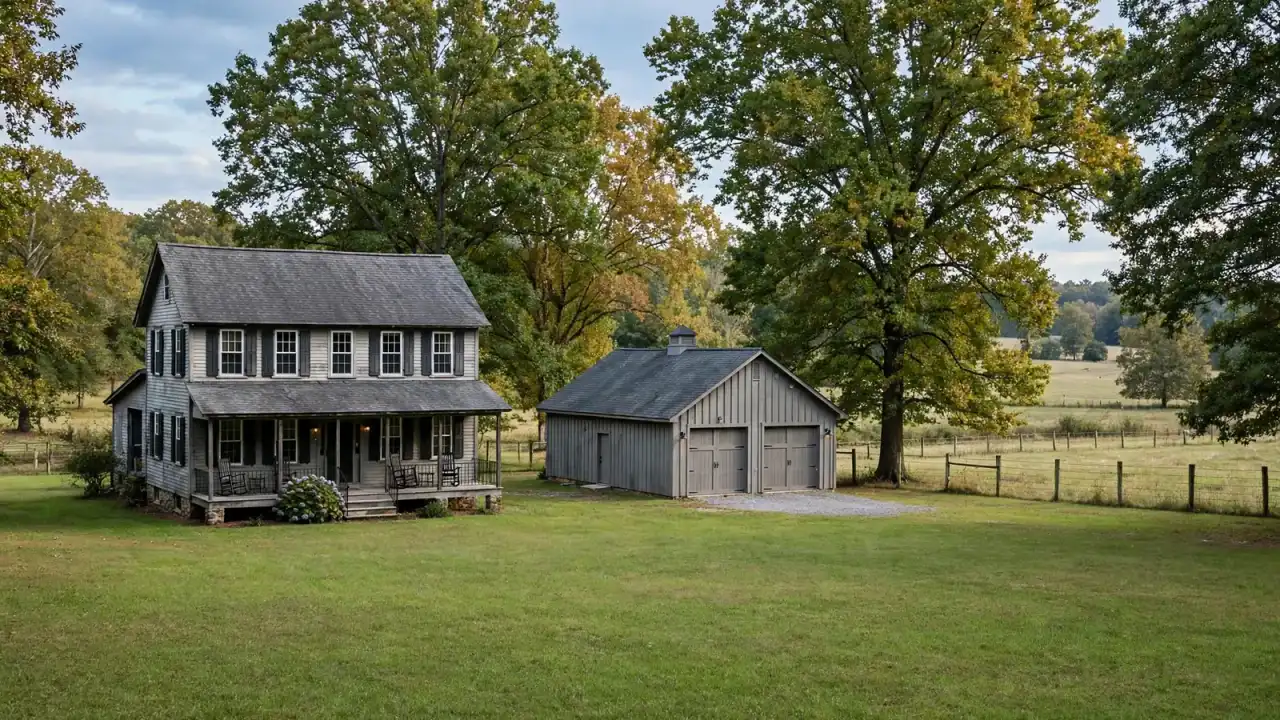
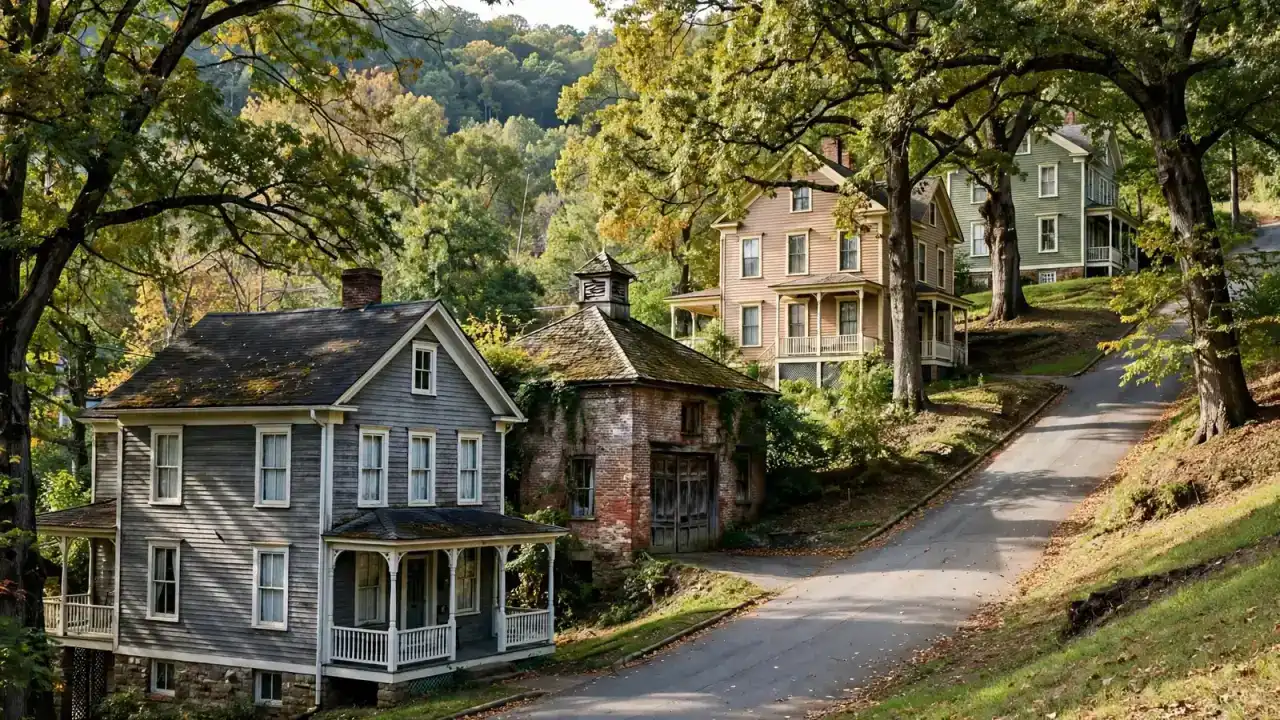
The West End developed from the late nineteenth century as one of the city's first streetcar suburbs, with large Queen Anne, Colonial Revival and Craftsman homes on winding, hilly streets near Hanes Park and the edge of downtown. Many properties included carriage houses or stables that later became garages. Others added garages in the early twentieth century, often small, detached and set into the slope.
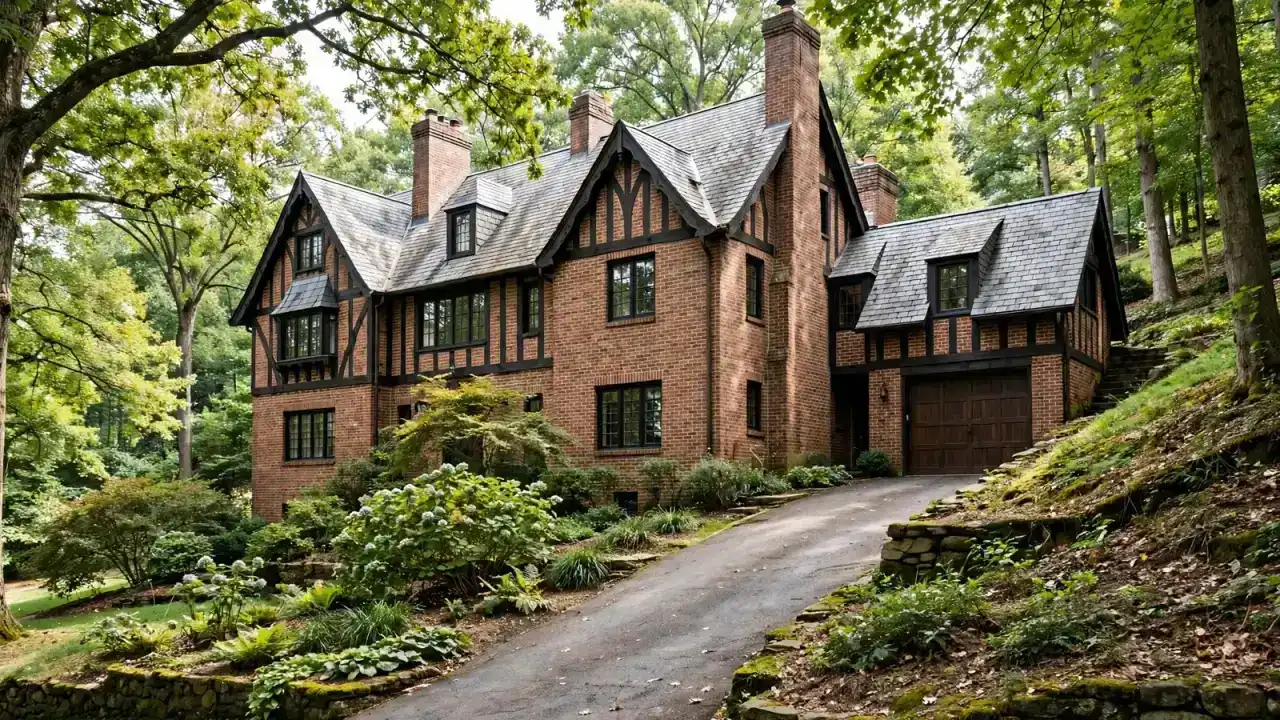
Today, garage doors in the West End range from restored wood carriage doors to modern sectional doors installed in old openings. Some carriage houses have been converted to living space while keeping a garage bay. Steep lots mean some garages sit below or above the house, reached by sloping drives.
West End garage door problems
What technicians see in the West End
These issues are typical in the West End.
Doors in old openings
Modern doors fitted to openings that are not square.
Read moreHeavy wood carriage doors
Swing or roll-up wood doors that bind in humidity.
Read moreSloped thresholds
Doors closing onto sloped slabs, twisting tracks.
Read moreOpener installs in carriage houses
Limited power and headroom.
Read more
Historic overlay and garage doors
West End historic overlay and garage door changes
The West End includes a local historic overlay district in which exterior changes visible from the street can require review. [2] City records show that garage door replacements in the West End Historic Overlay District have been reviewed against design standards. [1] Repairs that keep the existing door's appearance, such as new springs, cables, rollers or an opener, typically do not change anything visible. Replacing the door, changing its style or material or altering the opening is different. Check with the city's historic preservation staff before ordering a new door.
Carriage house figure
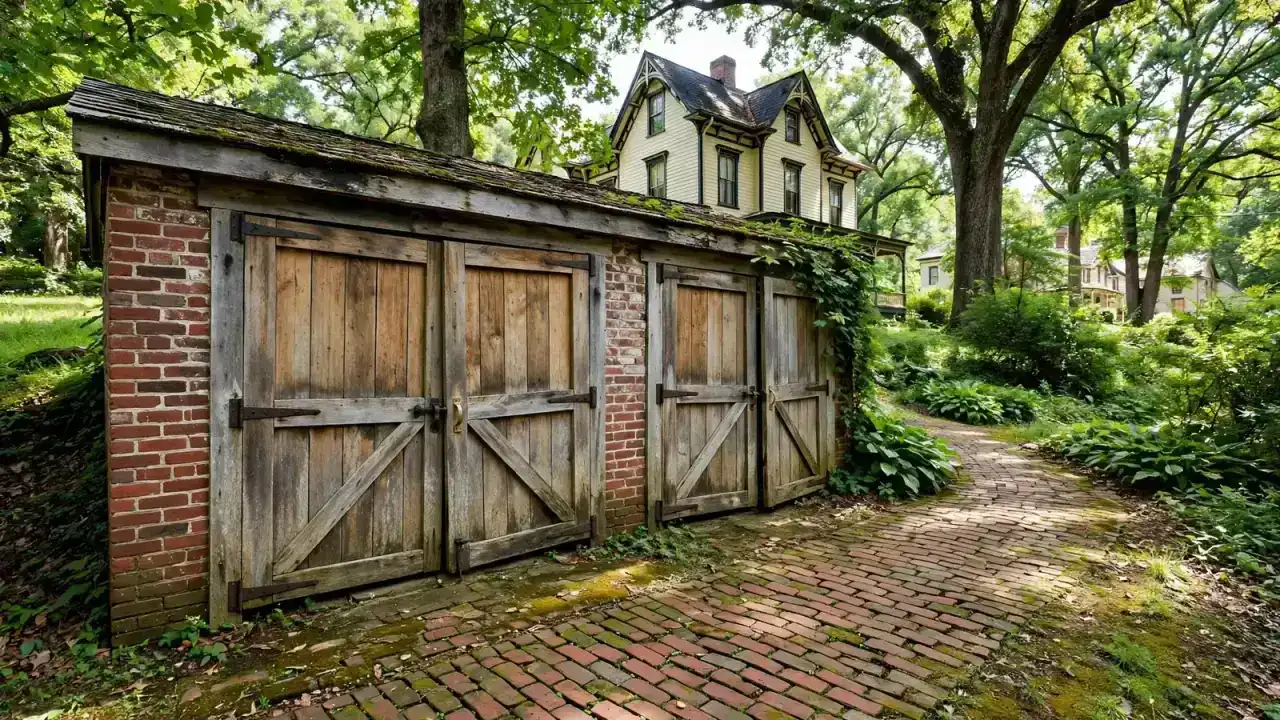
Carriage house doors
Repairing carriage house doors
Some West End carriage houses retain swing-out wood doors on large hinges, while others have roll-up sectional doors styled to look like carriage doors. Swing doors sag on their hinges over time and drag on the ground. Sectional doors in old openings may have tracks mounted to uneven jambs. Repairs focus on keeping doors square, hinges tight, tracks aligned and wood sealed.
Old openings and new doors
Fitting modern doors to old openings
Openings in older garages are often out of square, with sloping floors and settled headers. A modern sectional door installed in such an opening needs careful shimming of the jambs and adjustment of the tracks. Weatherstrip may need to taper to seal gaps. When a door in an old opening starts binding or derailing, the opening itself may have moved.
Hills and slopes
Steep lots and sloping garage floors
West End lots can be steep, and some garage floors slope toward the door. A door closing onto a sloped slab touches down on one side first, twisting slightly each time. Over many cycles, that loosens tracks and wears rollers unevenly. Bottom seals made for uneven floors and careful track adjustment reduce the problem.
Converted carriage houses
Garage bays in converted carriage houses
Some carriage houses now have living space above or beside the garage bay. Noise from springs and openers carries into those rooms. Belt-drive or wall-mount openers, nylon rollers and well-lubricated springs keep things quieter. If a carriage house has been converted, mention it when you call.
Planning a West End visit
Planning a garage door visit in the West End
- 1
Access
Note steep drives or stairs to the garage.
- 2
Historic status
Mention if the property is in the overlay and you plan visible changes.
- 3
Door type
Describe swing, one-piece or sectional.
- 4
Power
Note whether there is an outlet near the ceiling.
- 5
Living space
Mention rooms above or beside the garage.
West End garage types
West End garage types and door notes
| Garage | Typical door | Notes |
|---|---|---|
| Original carriage house | Wood swing or converted sectional | Hinge sag, binding, overlay review for changes |
| Early twentieth-century detached garage | Sectional in old opening | Out-of-square openings |
| Garage set into a slope | Sectional | Sloped floors, uneven closing |
| Converted carriage house | Sectional with opener | Noise into living space |
West End repair choices
Repairing West End doors
For historic properties, repairs that keep the existing door are often best. Replacing springs, cables, rollers, hinges and seals restores function without changing appearance. When replacement is needed, carriage-style sectional doors can echo traditional looks, subject to any review.
Winter on the hills
Winter ice on West End drives
Steep drives become slick in ice storms, and doors may freeze to sloped thresholds. Clearing ice and waiting for thaw protects the opener and springs.
Wood care
Caring for wood garage doors
Wood doors need sealing and painting to resist humidity and rot. Inspect the bottom rail each year, where water collects. Rot there weakens the door and its hardware attachments.
Opener choices
Choosing an opener for an older garage
Wall-mount openers suit garages with limited ceiling space and torsion springs. Belt drives suit garages near living space. Battery backup helps during outages.
West End streets up close
Garage notes across the West End
- Near Hanes ParkLarge historic homes with carriage houses and detached garages on sloping lots.
- Along the winding hillside streetsGarages set into slopes, some below street level, with steep drives.
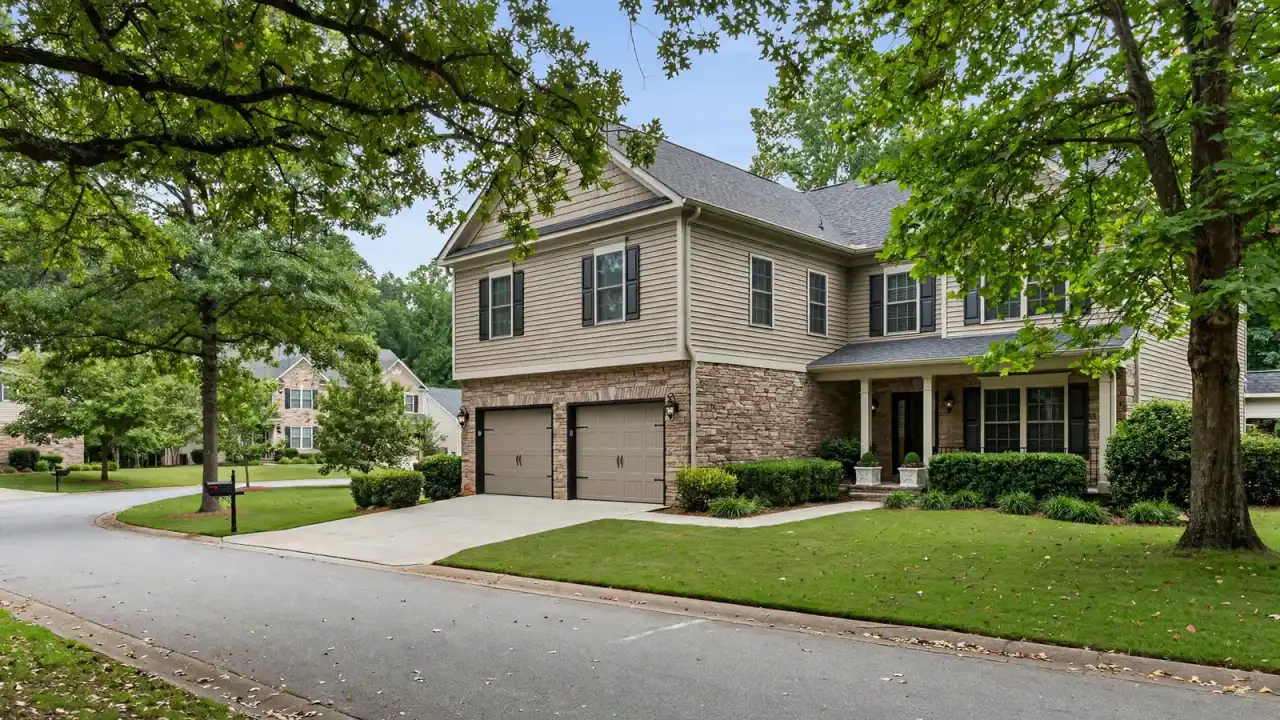
- Near downtown edgesSmaller lots, renovated homes and some newer infill with attached garages.
- Converted carriage housesGarage bays below apartments or studios.
A typical West End service call
What a typical West End garage door call looks like
A common West End call involves an older carriage house with a roll-up door installed in an opening that has shifted over the decades. The door binds or derails on one side. The technician checks the opening, shims and realigns the tracks, replaces worn rollers and hinges, rebalances the springs and tests the opener. If the owner plans to replace the door, the technician may mention checking with the city's historic preservation staff first.
Swing doors and automation
Automating swing-out carriage doors
Some West End carriage houses keep traditional swing-out doors. These can be automated with special swing-gate style operators, but they need clear space to swing, solid hinges and secure posts. Many owners prefer to keep swing doors manual or replace them with carriage-style sectional doors that look similar. Any visible change on a historic property may need review.
Hardware matching
Matching hardware on historic doors
Decorative strap hinges and handles on carriage-style doors are often purely decorative. Structural hinges and rollers are on the inside. When repairing, technicians replace the working hardware without disturbing decorative pieces, keeping the door's appearance intact.
Downtown proximity
Parking and access near downtown
West End streets near downtown can be busy and narrow. Service vehicles may need to park on the street. Note any parking restrictions, permits or shared drives when you call.
Rental and condo properties
Garages at West End rentals and condos
Some large West End houses have been divided into apartments or condos with shared garages. Associations or landlords usually handle garage door maintenance. Tenants should report problems to the owner.
Garages below street level
Garages set below the house or street
On some West End lots, the garage sits below street level at the bottom of a steep drive, or tucked under the house. Water runs downhill toward these garages in storms, pooling at the threshold and rusting bottom brackets and rollers. A good bottom seal, a threshold seal and drainage at the foot of the drive help protect the door. Technicians check bottom brackets for rust on these garages.
Garages above the house
Garages set above the house on the slope
Elsewhere, garages sit uphill from the house, reached by a short steep drive. Ice and leaves make these drives slick, and doors may meet the slab at an angle. Keeping tracks adjusted for the slope and clearing the threshold in winter prevent binding and derailment.
Old wiring and openers
Old wiring in West End garages
Carriage houses and early garages may have old wiring or none at all. Before installing or replacing an opener, confirm the garage has a safe, grounded outlet near the ceiling. An electrician handles any wiring upgrades. Surge protection helps protect opener electronics during summer storms.
Talk to a local contractor
Questions about west end?
One call connects you with an independent garage door repair contractor who serves Winston-Salem.
Timeline for visible changes
Planning ahead for a new door in the West End
If you are considering a new door on a property in the historic overlay, allow time for any review the city requires before ordering. Choose a door style that suits the house and the district. Your technician can provide the door's specifications for your application.
Door materials for historic homes
Choosing door materials for West End homes
Wood doors suit many historic homes but need ongoing care. Composite and steel doors with carriage-style designs can resemble wood with less maintenance. Which materials are acceptable on a contributing property is a question for the city's preservation staff.
Repairing rather than replacing
Why repair often makes sense on historic garages
On historic properties, keeping an existing door that suits the house often makes more sense than replacing it. Springs, cables, rollers, hinges and seals can all be replaced without changing the door's look. Wood panels can be repaired by a carpenter. This approach preserves character and avoids review for visible changes.
Seasonal care in the West End
Seasonal care for West End garage doors
Steep lots, big trees and older buildings mean extra attention: clear leaves from tracks and thresholds in fall, check seals before winter, lubricate hardware before summer and keep drains at the bottom of drives clear year-round.
Hanes Park area garages
Garages near Hanes Park
Homes around Hanes Park include some of the West End's larger properties, with carriage houses and long drives. Doors here are often wider or custom. Custom doors may need special parts, so repairs that preserve the door are usually preferred.
Water and drainage
Drainage problems at West End garage doors
On hillside lots, storm water often flows down drives toward garage doors. Over time, water rots the bottom rail of wood doors and rusts bottom brackets. Trench drains at the foot of the drive and a good threshold seal help. Technicians check bottom brackets and the bottom rail during service.
Living near downtown
Security and garage doors near downtown
Some West End homeowners near downtown want sturdier locks or opener features like rolling codes and smart alerts. Modern openers use rolling codes that make remote copying harder. A technician can recommend opener and lock options suited to the door.
West End and Wake Forest history
A neighborhood shaped by early streetcars
The West End was laid out when streetcars made living a short ride from downtown practical, and its winding streets follow the hills rather than a grid. That layout created odd-shaped lots and garages tucked wherever space allowed. Today, those quirks mean garage doors in the West End come in many sizes and configurations, and technicians often meet nonstandard openings.
Nonstandard openings
Doors for nonstandard West End openings
Some West End garage openings are narrower, shorter or wider than today's standard sizes. Replacement doors can be ordered in custom sizes, and tracks and springs can be configured for them. Repairs on existing custom doors may require ordering parts. A technician measures carefully before recommending a path.
Pollen and leaves
Pollen and leaves on West End garages
Mature trees around the West End drop pollen in spring and leaves in fall. Both collect on tracks and sensors. Regular cleaning and lubrication prevent false reversals and noisy rollers.
Storm preparation
Preparing West End garages for storms
Before storm season, check that the door is balanced, the opener's battery backup works if you have one, and drains at the foot of the drive are clear. Know how to use the emergency release in case of a power outage.
Brick and stone garages
Masonry garages in the West End
Some West End garages and carriage houses are brick or stone. Mounting tracks and spring anchors on masonry requires the right anchors and sometimes wood backing fastened to the wall. Loose anchors in old mortar are a common cause of track movement. Technicians check and reset anchors during repairs.
Bats, birds and wasps
Wildlife in old carriage houses
Old carriage houses with gaps around doors and eaves attract birds, wasps and occasionally bats. Nests in tracks or on openers interfere with operation. Seal gaps with weatherstrip and check for nests before running a door that has sat idle.
Who to call for what
Technicians, carpenters and the city
A garage door technician handles springs, cables, rollers, tracks, openers and door replacement. A carpenter handles rotted jambs, headers and wood panels. An electrician handles wiring for openers. The city's preservation staff handle questions about visible changes. Knowing who does what saves time on older West End properties.
Restoring original doors
Restoring original carriage doors
Some owners choose to restore original wood carriage doors rather than replace them. Restoration may involve rebuilding hinges, replacing rotted boards, refinishing and adding a modern operator suited to swing doors, or keeping them manual. A carpenter and a garage door technician often work together on these projects.
Insurance and historic garages
Storm damage on historic garages
If a storm damages a historic garage door, photograph the damage before repairs and check whether repairs that match the original are covered by your policy. Matching historic materials may take longer, so temporary securing of the door may be needed.
Annual checks
An annual check for West End doors
Older doors in older buildings benefit from an annual look at springs, cables, hinges, rollers, tracks, anchors, seals and the opener's safety reversal. Catching loose anchors and rotted bottoms early saves larger repairs.
Steep driveways and opener safety
Children, steep drives and closing doors
On steep West End drives, children's bikes and toys can roll toward the garage and into the door's path. Make sure the sensors are aligned and the reversal works, and teach children to stay clear of a moving door.
Matching neighbors
Keeping a consistent look on the street
West End streets have a strong historic character. Even outside formal review, owners often choose garage doors that match the age and style of their houses, such as simple paneled or carriage designs in muted colors.
Carriage house living spaces
Noise and safety in living spaces above
When a carriage house has an apartment upstairs, the garage door and opener sit right under someone's floor. Quiet hardware and a working safety reversal matter for both comfort and safety. Smoke alarms and a solid door between garage and living space are also wise.
West End service planning
Planning a service visit in the West End
Note steep access, parking limits, the door type and any historic considerations when you call. Photos of the door, inside and out, plus the drive and any stairs, help the technician plan the visit, choose the right vehicle and bring the right parts, especially for steep or narrow lots in the historic West End.
West End garage door questions
Questions about garage doors in the West End
Do I need approval to replace my garage door in the West End?
If the property is in the local historic overlay and the change is visible, review may apply. Repairs that do not change appearance usually do not.
Can a carriage house door be repaired instead of replaced?
Often. Hinges, tracks, springs and wood can usually be repaired.
Why does my door bind in the opening?
Old openings may be out of square, or wood may swell in humidity. Adjusting tracks and shims helps.
Can I add an opener to a carriage house?
Usually, with suitable power and headroom. Wall-mount openers help in tight spaces.
Why does my door close unevenly?
A sloped floor or loose tracks. A technician can adjust the tracks and seal.
Will a technician know about historic review?
Many local technicians are familiar with it, but confirm with the city before visible changes.
Do I need photos before calling?
Not required, but photos of the door, drive and stairs help the technician plan.
Who should I call for rotten jambs on my carriage house?
A carpenter repairs jambs and headers; a garage door technician handles the door hardware and opener.
Are steep drives a safety concern for kids?
Toys and bikes can roll into a closing door's path. Keep sensors aligned and teach children to stay clear.
Can original carriage doors be restored?
Often. Carpenters and technicians can rebuild hinges, replace boards and refinish them.
Can tracks be mounted on a brick garage wall?
Yes, with proper masonry anchors and sometimes wood backing. Loose anchors are a common cause of track movement.
Can a new door be made for an unusual opening?
Yes. Doors can be ordered in custom sizes, with tracks and springs configured to suit.
Why does my garage door bottom rot?
Water from sloped drives pools at the threshold. Drainage, seals and finish care protect it.
Can a custom carriage house door be repaired?
Usually. Hardware and wood repairs often save custom doors.
What should I tell the technician about my West End garage?
The door type, access, historic status if known and any living space nearby.