Key facts: Lewisville
- Lewisville is a town in western Forsyth County, North Carolina, separate from Winston-Salem [1].
- Wider and heavier doors need correctly sized springs and sturdier hardware [2].
- Automatic openers must include entrapment protection under federal rules [3].
- Summer thunderstorms and winter ice are common in the Piedmont [4].
In this page
- 1Lewisville ZIP code covered
- 2What Lewisville homes and garages are like
- 3What technicians see in Lewisville
- 4Garage doors on detached workshops
- 5Lewisville workshop figure
- 6Openers and long drives
- 7Wind exposure on open Lewisville lots
- 8Subdivision garages in Lewisville
- 9Planning a garage door visit in Lewisville
- 10Lewisville garage types and notes
- 11Repair or replace in Lewisville
- 12Power outages on rural lots
- 13Animals and garage door seals
- 14Garage notes across Lewisville
- 15What a typical Lewisville garage door call looks like
- 16Gravel drives, dust and garage hardware
- 17Garage doors in converted barns
- 18Tall doors and longer cables
- 19Uninsulated shops and condensation
- 20Animals around garage doors
- 21HOA rules in Lewisville subdivisions
- 22Why wide doors make spring work more dangerous
- 23Doors suited to Lewisville workshops
- 24Openers for wide and tall doors
- 25Cold garages and winter operation
- 26Planning service visits to rural properties
- 27Shop doors and visitors
- 28Gates, dogs and access on rural lots
- 29Older farmhouse garages in Lewisville
- 30Storing boats and campers
- 31Lewisville's newer subdivisions
- 32Power and wiring in detached shops
- 33Securing detached garages and shops
- 34Heat, humidity and ice on rural doors
- 35Trees and wooded lots
- 36Updating older openers on rural properties
- 37Choosing a new shop door
- 38Rural neighbors and service visits
- 39Farm equipment and door clearances
- 40Shops with walk-through doors
- 41Choosing between one wide door and two
- 42Humidity near the river
- 43Asking the right questions about large doors
- 44Lewisville as its own town
- 45Deliveries to distant shops
- 46Adding insulation to an existing shop door
- 47A seasonal checklist for rural doors
- 48Rollers for heavy shop doors
- 49A typical call from a Lewisville subdivision
- 50Safety cables on older rural doors
- 51Keypads for shops without remotes
- 52Checking doors after rural storms
- 53Thresholds on gravel drives
- 54Fastening tracks to pole barn framing
- 55Repurposed buildings and odd openings
- 56Checking a large door after service
- 57Remotes that work from the road
- 58Keeping snakes and rodents out of rural garages
- 59Garages shared by several users
- 60Getting approval for a new subdivision door
- 61Questions about garage doors in Lewisville
Lewisville coverage
Lewisville ZIP code covered
The technician network accepts calls from Lewisville. Coverage can change, so call to confirm.
- 27023: the Town of Lewisville and surrounding areas.
Lewisville homes and garages
What Lewisville homes and garages are like
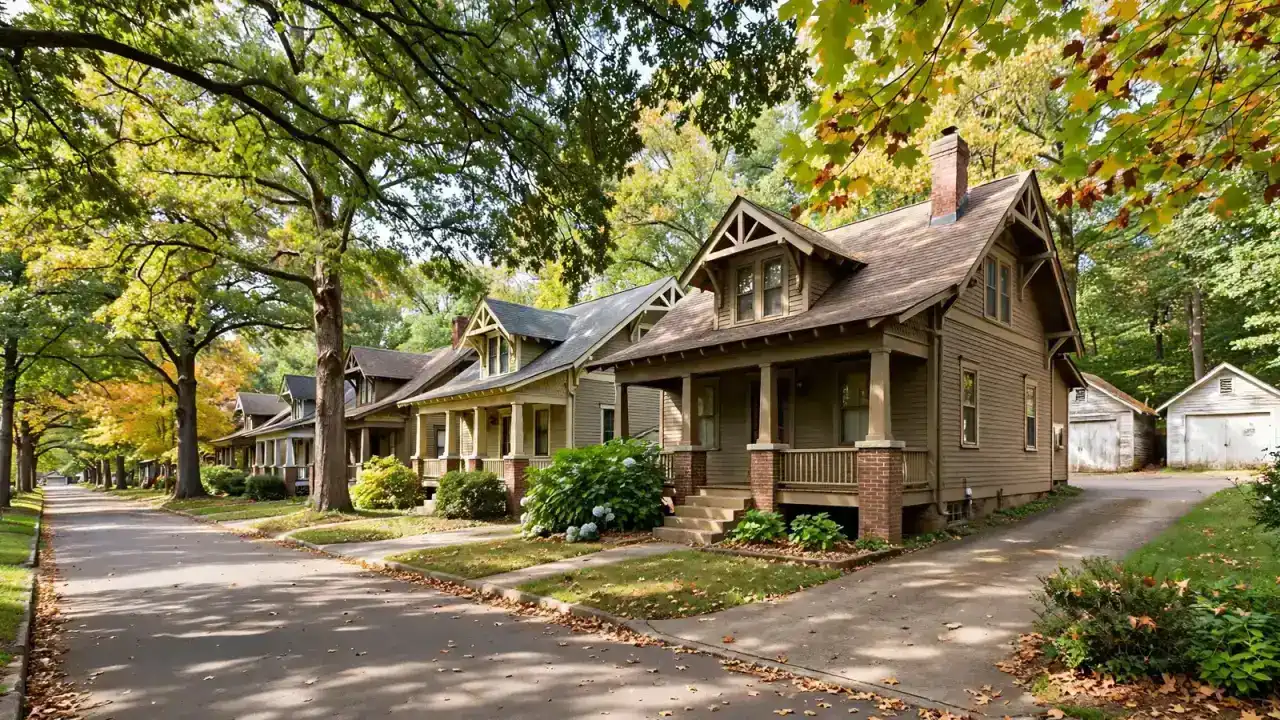
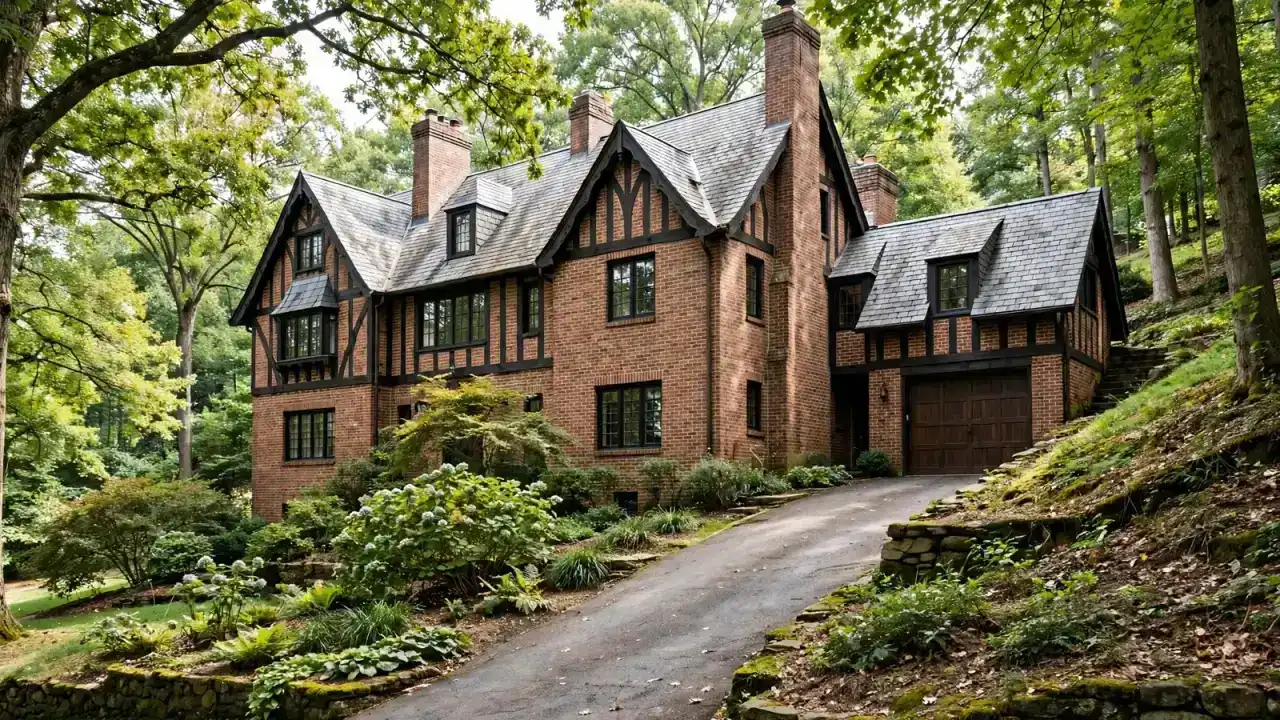
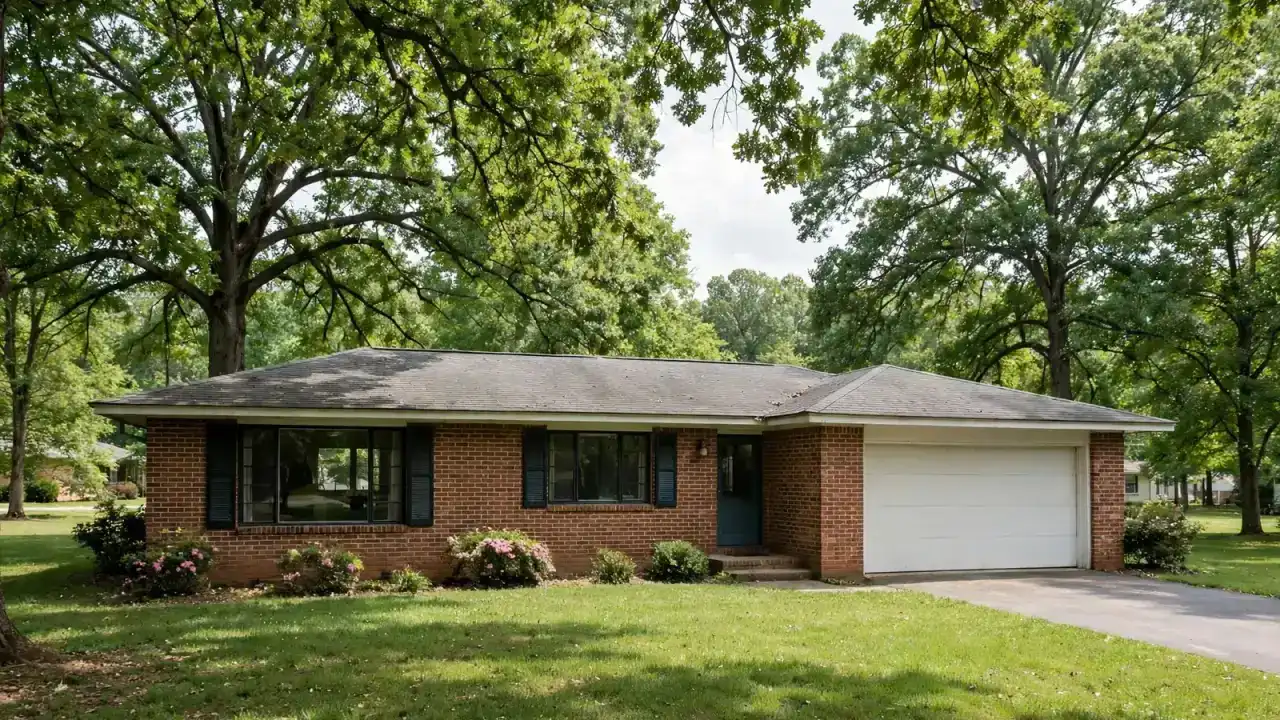
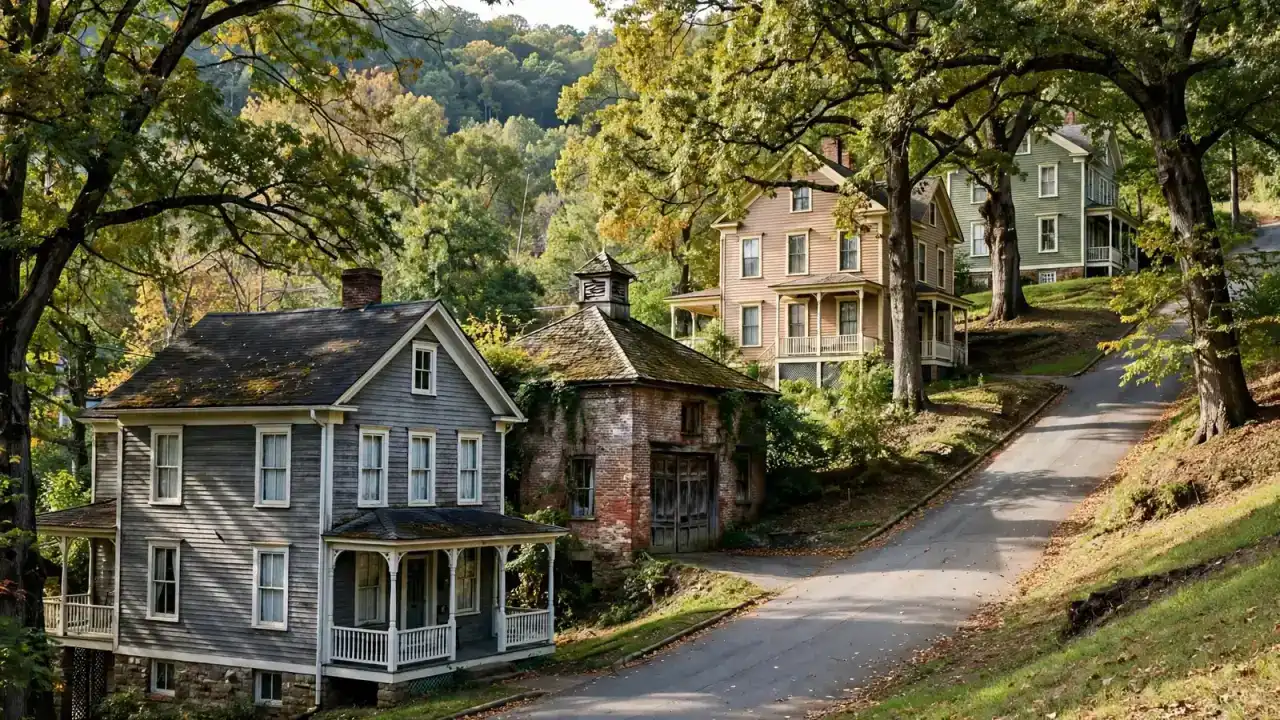
Lewisville grew from a rural crossroads into a town with a mix of housing: older farmhouses and country homes on acreage, mid-century ranches and newer subdivisions with attached two-car garages. On larger lots, detached garages, workshops and pole barns are common, often with wide or tall doors for trucks, tractors, boats or campers.
Attached garages in subdivisions resemble those in Clemmons. Detached shops are a different matter: wider doors, heavier springs, sometimes no insulation, and long distances from the house.
Lewisville garage door problems
What technicians see in Lewisville
Common Lewisville calls include these.
Wide shop doors
Heavy doors on detached workshops.
Read moreTall doors for trucks and RVs
Taller tracks and longer cables.
Read moreRemote range
Opening a shop from the house or drive.
Read moreStorm and wind exposure
Open rural lots catch more wind.
Read more
Detached workshops
Garage doors on detached workshops
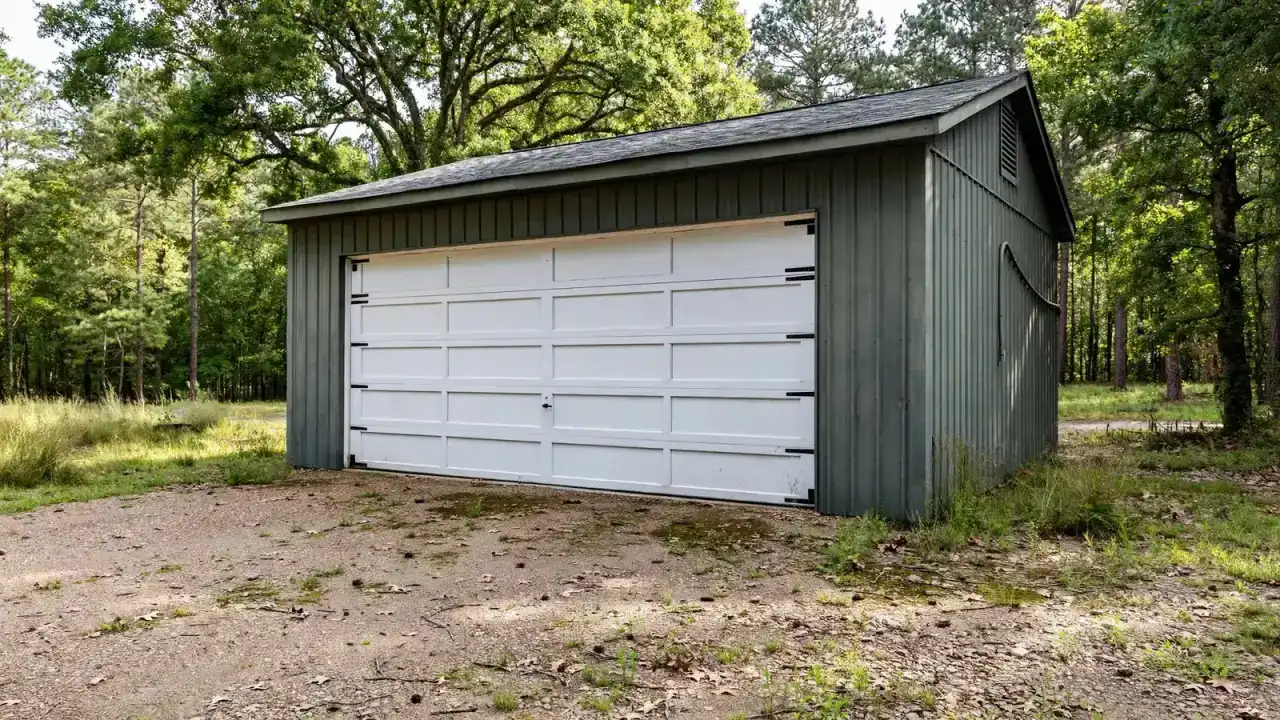
Workshops and pole barns often have doors twelve feet wide or more, sometimes taller than standard to fit trucks. These doors are heavy and need heavier springs, longer cables and sturdy tracks. Pole barn framing must be solid enough to hold track brackets and spring anchors. Technicians check the structure before working on these doors.
Lewisville workshop figure
Long drives and remotes
Openers and long drives
On large lots, the shop or garage may be far from the house. Openers with longer-range remotes, keypads at the shop and phone-connected controls help. Power to a detached shop must be adequate for the opener.
Wind and open lots
Wind exposure on open Lewisville lots
Open rural lots catch strong winds during thunderstorms. Wide doors act like sails, bowing panels and stressing tracks. Struts and wind-resistant doors help. After storms, check doors for bowing and track damage.
Subdivision garages
Subdivision garages in Lewisville
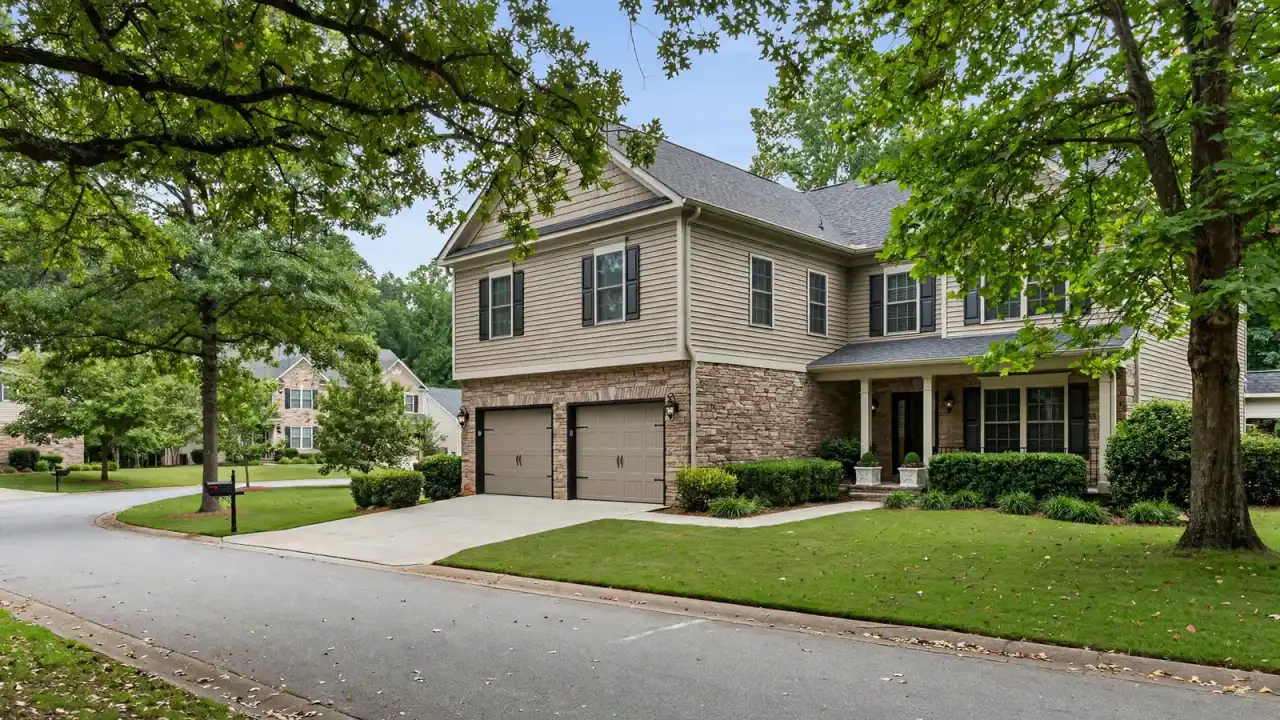
Newer subdivisions in Lewisville have attached two-car garages much like those in Clemmons: heavy daily use, bonus rooms above and HOA rules for replacements.
Planning a Lewisville visit
Planning a garage door visit in Lewisville
- 1
Building type
Attached garage, detached garage or shop.
- 2
Door size
Width and height.
- 3
Power
Whether the shop has adequate power.
- 4
Access
Gates, long drives, animals.
- 5
Use
Vehicles and equipment stored.
Lewisville garage types
Lewisville garage types and notes
| Building | Typical door | Notes |
|---|---|---|
| Subdivision attached garage | Two-car sectional | High use, bonus rooms |
| Detached two-car garage | Sectional | Distance from house, power |
| Workshop or pole barn | Wide or tall sectional | Heavy springs, sturdy framing |
| Older farmhouse garage | Older or converted door | Structure and parts |
Lewisville repair or replace
Repair or replace in Lewisville
Repairs suit most doors. Wide shop doors with bent panels or rotted wood may warrant replacement with steel doors designed for the size.
Rural storms
Power outages on rural lots
Rural lines may be out longer after storms. Battery backup and knowing the emergency release are valuable.
Animals and pests
Animals and garage door seals
Rural garages attract mice, snakes and insects. Good bottom seals and side weatherstrip keep them out.
Lewisville areas up close
Garage notes across Lewisville
- Around the town centerOlder homes and newer infill with attached and detached garages.
- Newer subdivisionsAttached two-car garages with insulated doors and openers, often with HOA standards.
- Rural roads and acreageFarmhouses with detached garages, workshops and pole barns with wide doors.
- Properties near the Yadkin RiverLarger lots with shops for boats and equipment.
A typical Lewisville service call
What a typical Lewisville garage door call looks like
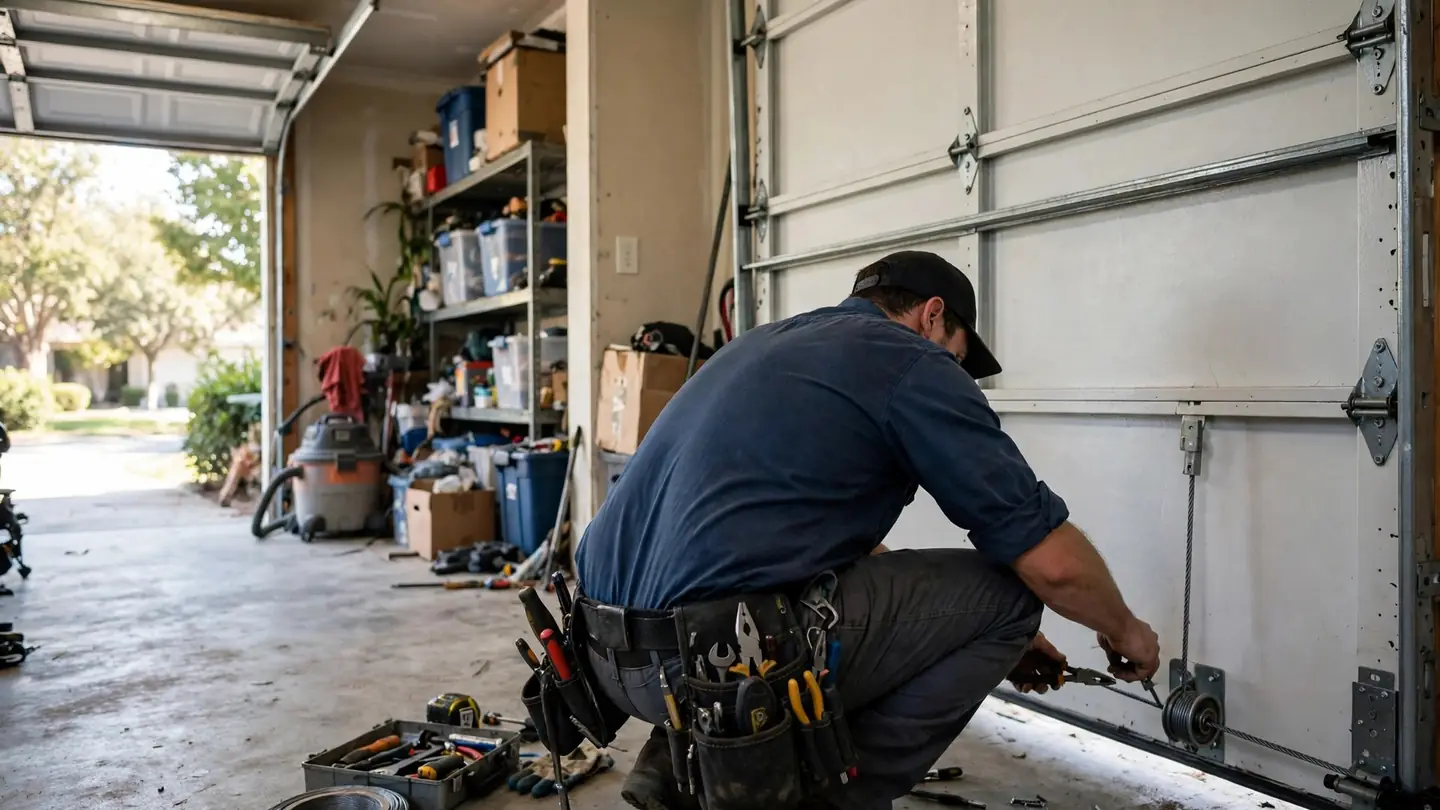
A typical rural Lewisville call involves a wide door on a detached workshop that will not open after a storm. The technician drives down a long gravel drive, checks the building's framing, finds a broken spring and a cable off its drum, and notes a bowed top panel from wind. They replace the springs and cables, add a strut to the top panel and balance the door. If the shop has an opener, they check power and test the reversal.
Gravel drives and dust
Gravel drives, dust and garage hardware
Many rural Lewisville properties have gravel drives. Dust from gravel settles on tracks, rollers and opener rails, mixing with lubricant into abrasive grit. Wiping tracks and using dry-film lubricants on rollers and hinges reduces wear. Bottom seals also take a beating from gravel tracked to the threshold.
Converted barns
Garage doors in converted barns
Some older properties have barns converted into garages or shops, with roll-up doors installed in openings designed for sliding barn doors. Framing may be irregular, and headroom varies. Technicians assess whether the structure can carry a sectional door's tracks and springs and may recommend reinforcing posts and headers.
Tall doors for RVs and equipment
Tall doors and longer cables
Doors ten feet tall or more need longer tracks, longer cables and springs wound for the extra height. Opener rails may need extension kits, or a wall-mount opener may be better. When repairing tall doors, technicians confirm cable length and drum size carefully.
Uninsulated shops
Uninsulated shops and condensation
Uninsulated metal shops in Lewisville can experience heavy condensation on cool mornings after humid nights, which rusts springs, cables and opener electronics. Ventilation, insulated doors and coated springs help.
Livestock and pets
Animals around garage doors
On rural lots, dogs, cats and livestock may be near garage and shop doors. Working safety sensors and reversal are especially important, and doors should never be left half open where animals might be caught.
Subdivision HOAs
HOA rules in Lewisville subdivisions
Newer subdivisions often have HOAs that regulate door style and color. Repairs that do not change appearance usually need no approval; replacements may.
Wide doors and spring safety
Why wide doors make spring work more dangerous
A sixteen-foot or wider shop door can weigh several hundred pounds or more, and its springs store a great deal of energy. Spring and cable work on these doors carries real risk. Technicians use heavy-duty winding bars, clamp the door securely and follow a set procedure. Homeowners should never attempt to adjust springs on large shop doors.
Choosing doors for shops
Doors suited to Lewisville workshops
For workshops, many owners choose steel sectional doors with heavier gauge panels, struts across each section and windows for light. Insulated doors make heated or cooled shops more efficient. Commercial-style hardware, such as heavier rollers and hinges, suits doors that open often.
Openers for big doors
Openers for wide and tall doors
Wide and tall doors need openers rated for their size, sometimes jackshaft units mounted beside the door. Proper spring balance remains essential. Long-range remotes and keypads make shops easier to open from vehicles.
Garages without heat
Cold garages and winter operation
Unheated shops get very cold in winter. Opener lubricant stiffens, bottom seals freeze to the slab and springs face more stress. Clearing snow and ice at the threshold and avoiding repeated button presses when the door is stuck protect the system.
Long distances from town
Planning service visits to rural properties
Rural properties may take longer to reach, so describing the door, its size and the problem in detail on the call helps the technician bring the right parts and avoid return trips.
Safety for visitors
Shop doors and visitors
Workshops often have visitors who do not know the door. Keep remotes and wall buttons where only adults can reach them, and keep the reversal working.
Gates and access
Gates, dogs and access on rural lots
Note gates, gate codes and dogs on the property when you call so the technician can arrive safely.
Farmhouse garages
Older farmhouse garages in Lewisville
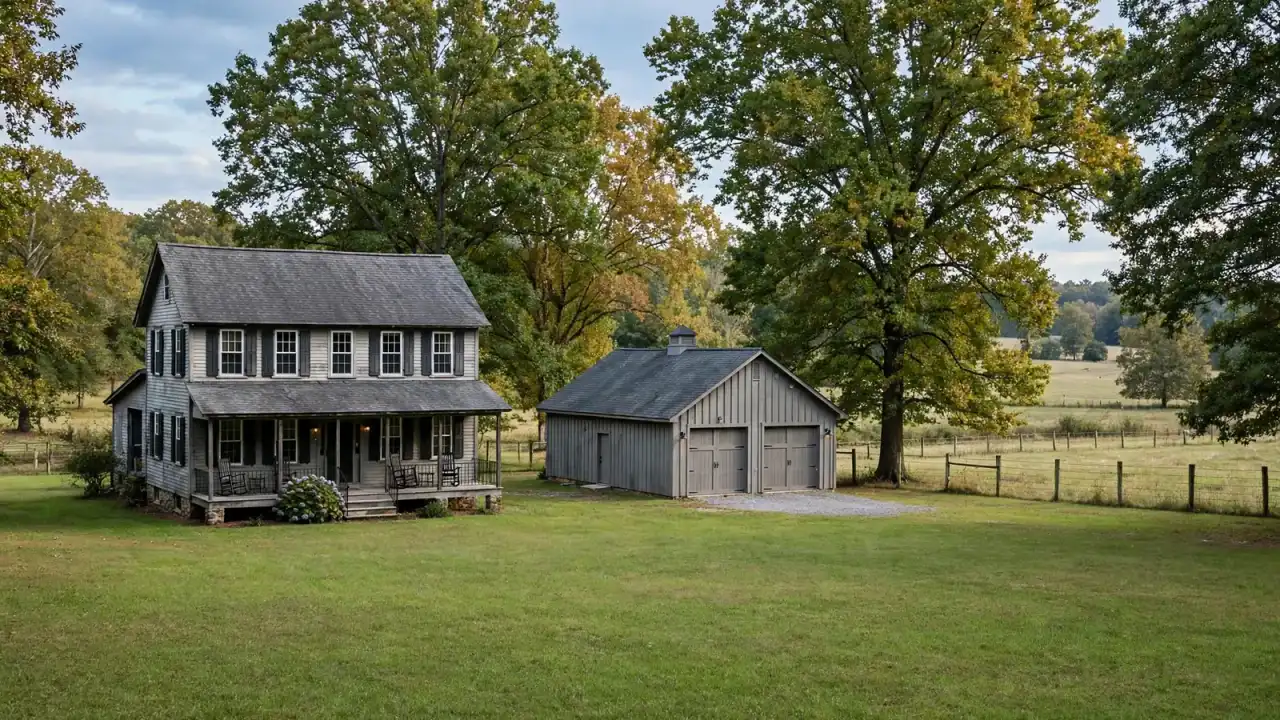
Older farmhouses on Lewisville's rural roads may have garages added in mid-century or later, sometimes built against an older outbuilding. Doors may be one-piece tilt-up units or older sectional doors with extension springs. Structure, spring safety cables and opener safety all deserve a look.
Boats, campers and equipment
Storing boats and campers
Owners near the Yadkin River and lakes often store boats and campers in tall garages or shops. Tall doors need careful cable and spring sizing, and openers must have rails or jackshaft units suited to the height. Backing large trailers into garages also risks bumping tracks, so bumper guards help.
Lewisville subdivisions
Lewisville's newer subdivisions
Newer subdivisions around Lewisville have homes much like those in Clemmons: attached two-car garages, insulated doors, bonus rooms and HOA rules. High daily use wears springs and rollers on schedule, and quiet openers are popular.
Talk to a local contractor
Questions about lewisville?
One call connects you with an independent garage door repair contractor who serves Winston-Salem.
Power for shops
Power and wiring in detached shops
A detached shop needs a proper outlet near the ceiling for an opener, ideally on a circuit not shared with heavy tools. Underground power runs to distant shops are electrician's work. Surge protection protects opener electronics.
Security for detached buildings
Securing detached garages and shops
Detached shops far from the house can be targets for theft. Openers with rolling codes, keypads with changeable codes, alerts to your phone and solid locks help. A technician can recommend options for the door and opener.
Lewisville weather extremes
Heat, humidity and ice on rural doors
Rural shops and garages without insulation see the full range of Piedmont weather: hot, humid summers, heavy thunderstorms and occasional ice. Metal doors expand and contract, condensation forms inside and hardware rusts. Seasonal lubrication, coated springs and good seals help.
Lewisville and trees
Trees and wooded lots
Wooded rural lots drop leaves, branches and pollen. Storm limbs can damage doors and tracks. Keep limbs trimmed back from garage roofs and doors.
Older openers in rural garages
Updating older openers on rural properties
Some rural garages still use very old openers without photo-eye sensors. Replacing them adds required safety features and often better range for remotes on long drives.
Planning a shop door replacement
Choosing a new shop door
When a shop door is beyond repair, measure the opening, consider insulation and wind resistance, and plan for an opener that suits the size. A technician can recommend door and hardware combinations for heavy daily use.
Neighbors at a distance
Rural neighbors and service visits
Rural neighbors are far apart, so if you will not be home for a visit, arrange access in advance and secure pets.
Garage use for farm equipment
Farm equipment and door clearances
Tractors and implements need taller, wider openings than cars. Doors must clear equipment with room to spare, and tracks must stay out of the way of booms and loaders. Mention equipment when you call so the technician understands the space.
Doors with man-doors
Shops with walk-through doors
Some shops have a separate walk-through door beside the overhead door. Using it for daily access reduces wear on the large door's springs and opener. If the overhead door is the only entrance, consider adding one.
Double-wide versus two singles
Choosing between one wide door and two
On a new or rebuilt shop, two single doors can be lighter and easier to maintain than one very wide door, and one can stay closed in bad weather. A wide door gives open access for large equipment. Consider how you use the space.
Lewisville and the Yadkin River
Humidity near the river
Properties near the Yadkin River can see more fog and humidity, which speeds rust on hardware and opener electronics. Ventilation and coated hardware help.
Hiring for big doors
Asking the right questions about large doors
Ask whether the technician regularly works on large or tall doors, what spring and cable sizes they plan to use and how they will secure the door during work. Confirm the opener rating for the door's size.
Lewisville town services
Lewisville as its own town
Lewisville is a separate town with its own planning staff. Routine garage door repairs do not involve the town, but building a new shop or enlarging an opening may require permits from the town or county.
Long drives and deliveries
Deliveries to distant shops
Parts for large or tall doors may need to be ordered. Describing the door's size, spring setup and damage on the first call helps the technician order parts so the repair can be completed in one trip when possible.
Insulating a shop door
Adding insulation to an existing shop door
Some steel doors accept insulation kits, but added weight changes spring balance. Springs should be adjusted or replaced to match the new weight, and the opener rechecked.
Lewisville seasonal checklist
A seasonal checklist for rural doors
Spring: clean pollen and dust from tracks and sensors. Summer: lubricate and check for rust. Fall: clear leaves and check seals. Winter: keep ice clear and avoid forcing frozen doors.
Choosing rollers for shop doors
Rollers for heavy shop doors
Heavy shop doors benefit from rollers with sealed bearings rated for higher loads, and sometimes long-stem rollers for thicker doors. Upgrading rollers reduces strain on the opener and makes the door quieter.
Typical Lewisville subdivision call
A typical call from a Lewisville subdivision
In newer Lewisville subdivisions, a typical call involves a two-car insulated door with a broken spring or an opener reversing because pollen coated the sensors. The technician replaces springs sized to the insulated door, cleans and aligns the sensors and checks rollers and cables. The family is back to normal the same visit.
Older rural doors and safety cables
Safety cables on older rural doors
Older doors on rural garages commonly use extension springs. Safety cables keep a broken spring from flying across the garage. Adding them is one of the simplest and most important safety upgrades for these doors.
Opener range and keypads
Keypads for shops without remotes
A keypad mounted beside a shop door lets family members and helpers open it without carrying remotes. Change codes periodically, especially if workers or visitors have used them.
Lewisville storm checks
Checking doors after rural storms
After severe storms, walk to detached shops and garages before running doors. Look for bowed panels, bent tracks, debris in tracks and damaged weatherstrip. Running a damaged door can make it worse.
Concrete aprons and gravel
Thresholds on gravel drives
Where a gravel drive meets a concrete apron, gravel collects at the threshold and wears the bottom seal. Sweeping the apron and replacing worn seals keeps the door sealing and protects the bottom panel.
Pole barn doors and framing
Fastening tracks to pole barn framing
Pole barns use widely spaced posts and girts rather than continuous framing. Garage door tracks and spring anchors need solid backing, so technicians may add wood jambs or headers to carry the loads. Without them, tracks flex and doors derail.
Older garages on Lewisville farms
Repurposed buildings and odd openings
Some farm buildings have openings cut for purposes long past. Fitting a sectional door to them requires careful measurement and sometimes reframing. A technician can say what will work.
After a Lewisville repair
Checking a large door after service
After service on a large or tall door, open and close it several times, stopping halfway to see that it stays put. Watch both sides lift evenly and listen for rubbing. Call back if anything changes.
Lewisville openers and range
Remotes that work from the road
On long rural drives, remotes may not reach the door until you are close. Openers with external antennas, long-range remotes or phone control solve this. Keypads at the shop help visitors.
Gaps for wildlife
Keeping snakes and rodents out of rural garages
Rural garages see snakes, mice and other wildlife slipping under worn seals. A tight bottom seal, side weatherstrip and a threshold seal close the main entry points.
Lewisville and HOA approvals
Getting approval for a new subdivision door
In Lewisville subdivisions with HOAs, door replacements may need approval of style and color. Ask your HOA for its list of approved styles and colors before ordering, since approvals can take a little time and some communities require samples, photos or drawings.
Lewisville garage door questions
Questions about garage doors in Lewisville
Can a technician service large shop doors?
Many can. Mention the door size so they bring the right parts.
How do I open my shop door from the house?
Long-range remotes, keypads or phone-connected openers help.
Do wide doors need reinforcement?
Often struts help prevent bowing, especially in wind.
Is my pole barn strong enough for a sectional door?
A technician checks framing before installing or repairing.
Can a pole barn hold a sectional garage door?
Yes, with added jambs and headers for solid backing.
How do I reprogram a lost remote out of the opener?
Most openers let you clear and relearn remotes with a button on the motor unit; a technician can help.
Should I add safety cables to my old extension springs?
Yes. It is one of the most important safety upgrades for older doors, especially on rural shops.
Do rural shops need different openers?
Wide or tall doors need openers rated for their size, and long drives benefit from long-range remotes or keypads.
Is Lewisville part of Winston-Salem?
No, it is a separate town in Forsyth County, with its own planning staff.
Can I add insulation to my shop door?
Often, but springs must be adjusted for the extra weight.
Should my shop have a separate walk-through door?
It helps reduce wear on the overhead door if you enter the shop often.
Do tractors need special garage doors?
They need taller, wider openings and tracks clear of equipment. Mention your equipment when calling.
Can my shop door opener be secured against theft?
Rolling-code openers, changeable keypad codes, alerts and solid locks help secure detached shops.
Are large shop doors dangerous to work on?
Their springs store a lot of energy. Spring and cable work should be left to technicians.
Can a sectional door be added to a converted barn?
Often, if the framing is reinforced to carry tracks and springs.
Why does my shop door rust so fast?
Condensation in uninsulated metal shops. Ventilation and coated hardware help.
What should I tell the technician about my Lewisville property?
Building type, door size, power, access and use.